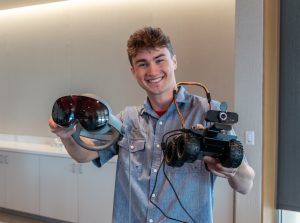
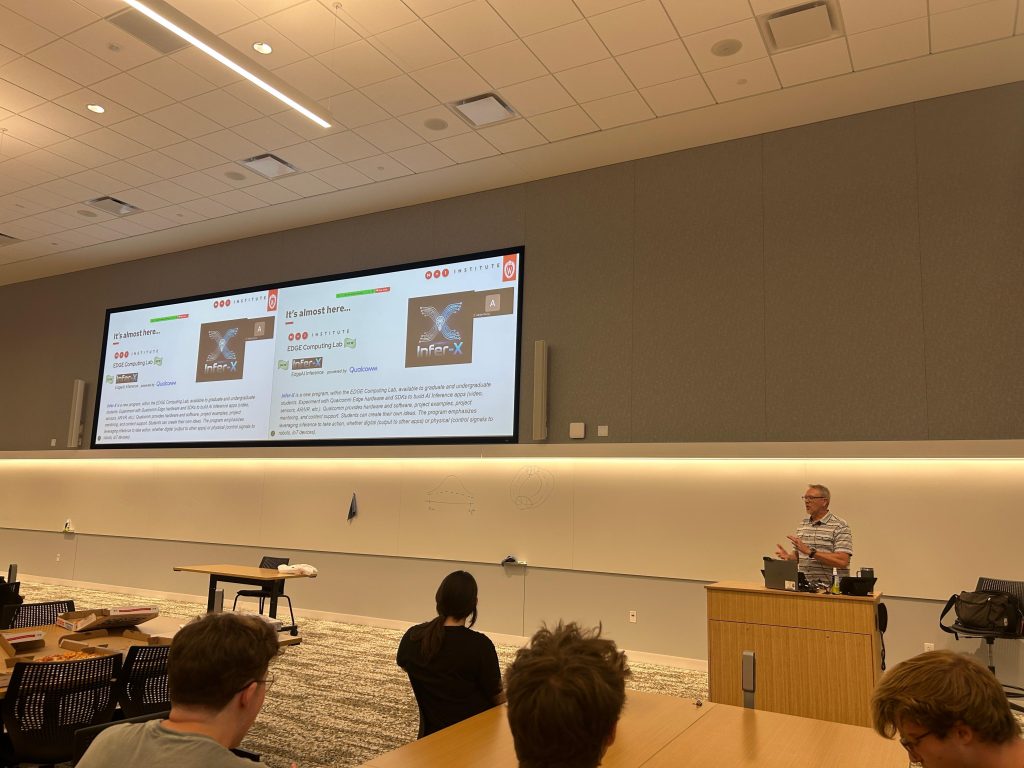
Infer-X is a student builder program hosted within the EDGE Computing Lab at the N+1 Institute. The program gives undergraduate and graduate students the opportunity to experiment with Qualcomm Edge AI hardware and software to build real-world applications.
Students can explore Edge AI, AI inference, Agentic Edge AI, and Physical AI while developing hands-on experience with emerging technologies. Students are encouraged to bring their own ideas, build projects, and work alongside other students and mentors.
Through Infer-X, students have access to hardware, software tools, project examples, technical resources, mentoring, and community support to help turn ideas into working projects.
Students can build and prototype applications across three areas:
Edge Inference — Run AI models directly on edge devices for fast, efficient, and privacy-aware inference.
Agentic Edge — Explore AI agents that can perceive information, reason, and take action across connected edge devices.
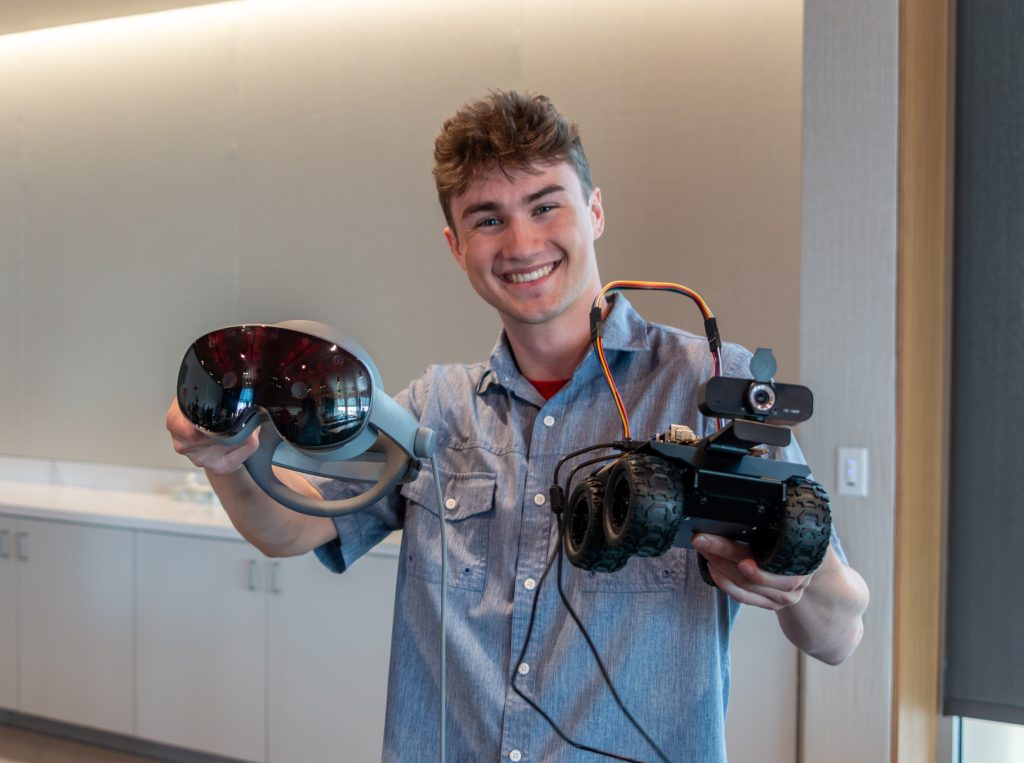
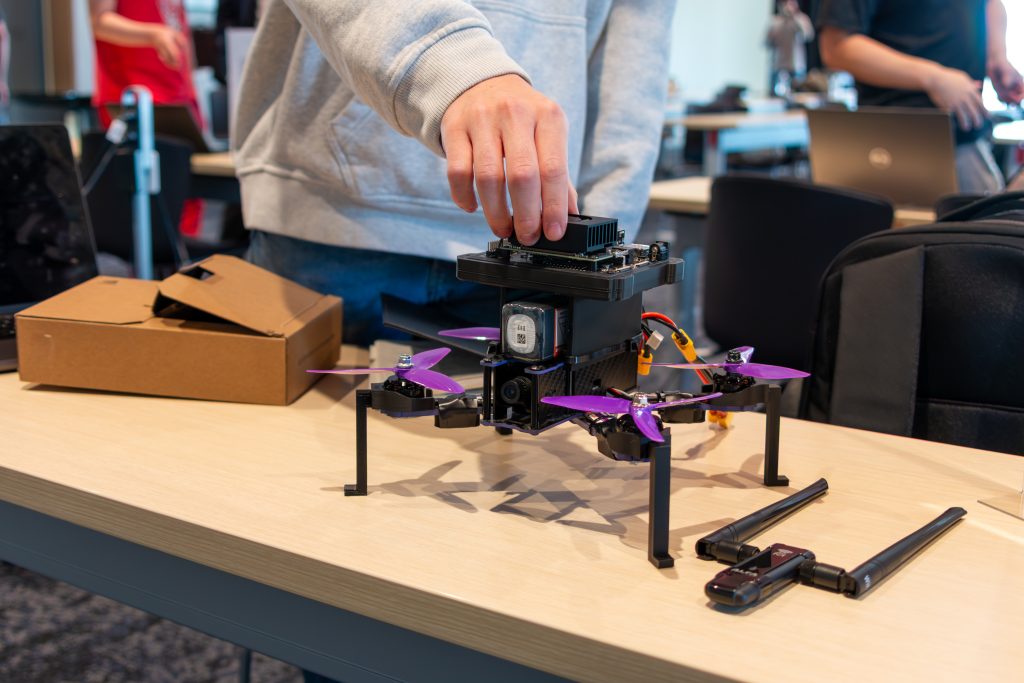
Physical AI — Build systems where AI moves beyond the screen to interact with robots, sensors, cameras, and other physical devices.
Qualcomm provides hardware, software and SDKs, project examples, mentorship, and technical resources. Students are encouraged to bring their own ideas and turn them into working prototypes. Students can work individually or with teams to develop projects based on their interests and explore how AI can move from models and software into real-world applications.
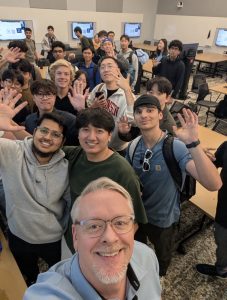
What Can You Build?
Infer-X is designed for hands-on experimentation. Students can develop projects such as:
- On-device computer vision and AI inference
- AI-powered robotics and autonomous systems
- Multimodal AI applications
- Edge AI agents that interact with devices and the physical world
- Sensor-based applications
- Camera and vision systems
- Voice and multimodal interfaces
- XR and spatial computing applications
- IoT and connected-device applications
You bring the idea. Infer-X provides the hardware, software, resources, and support to help you build it.
Now available!
Thanks to a generous gift from Qualcomm, the Institute launched a brand new Edge Computing Lab. Open to both undergraduate and graduate students, the lab enables student projects to build AI inference applications optimized to run on Edge devices, such as Qualcomm’s Snapdragon and Dragonwing-based smartphones, laptops, and IoT devices. Stay tuned for more information about launch dates and ways to get involved!

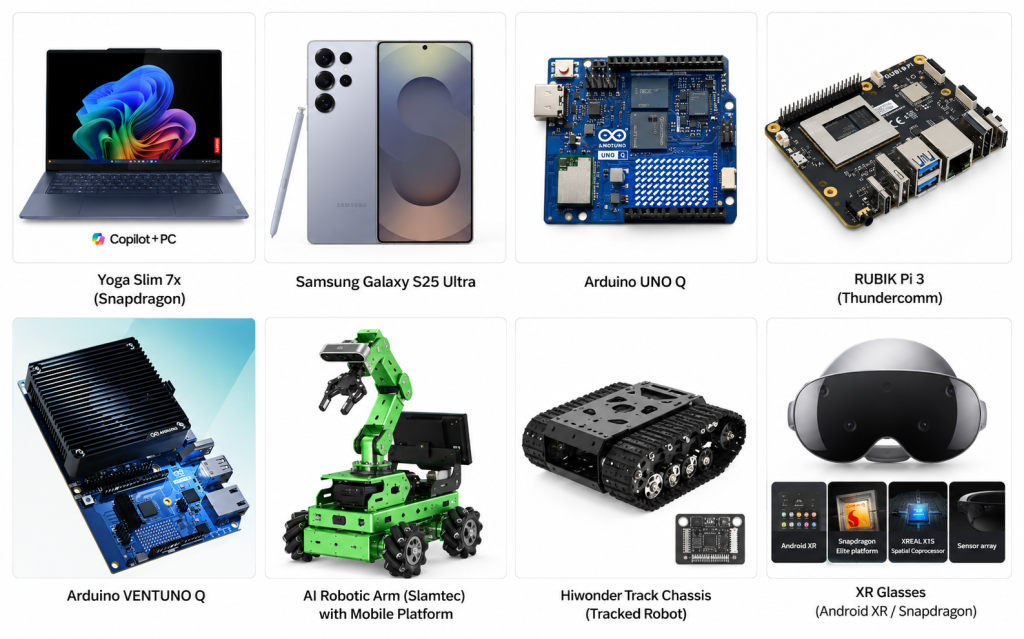
Explore the Infer-X Hardware
Infer-X provides students with access to a range of edge computing, AI, robotics, and prototyping hardware. Students can experiment with platforms for on-device AI inference, robotics, computer vision, physical AI, and connected systems.
Edge Computing & AI
- Qualcomm Snapdragon-powered laptops and mobile devices
- Qualcomm-enabled development platforms
- Arduino platforms powered by Qualcomm technology
- Rubik Pi development boards
Robotics & Physical AI
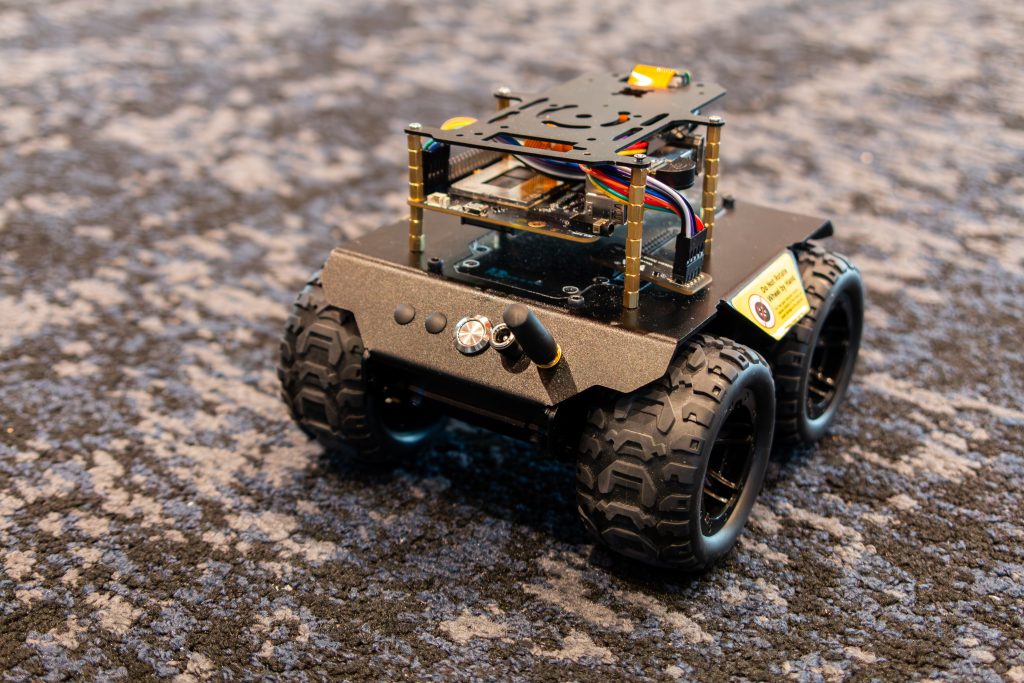
- Mobile robot platforms and chassis
- Robotic arms and manipulators
- Arduino VENTUNO Q
- Sensors, cameras, LiDAR, and other robotics peripherals
XR & Emerging Interfaces
- Extended reality and spatial computing hardware
- XR glasses and headsets
- Cameras and depth-sensing devices
Prototyping
- Arduino and electronics kits
- Cameras and microphones
- Displays, sensors, motors, and other components
- 3D printing and rapid-prototyping equipment
Build, experiment, test, and turn your ideas into working AI systems.
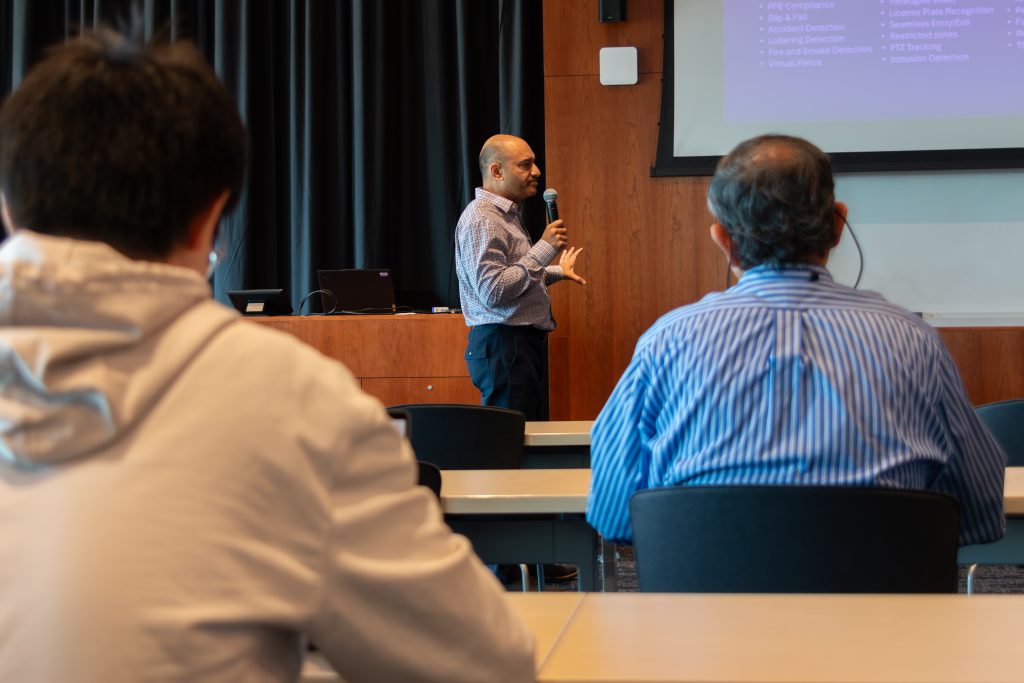
Infer-X 2025–26 Highlights
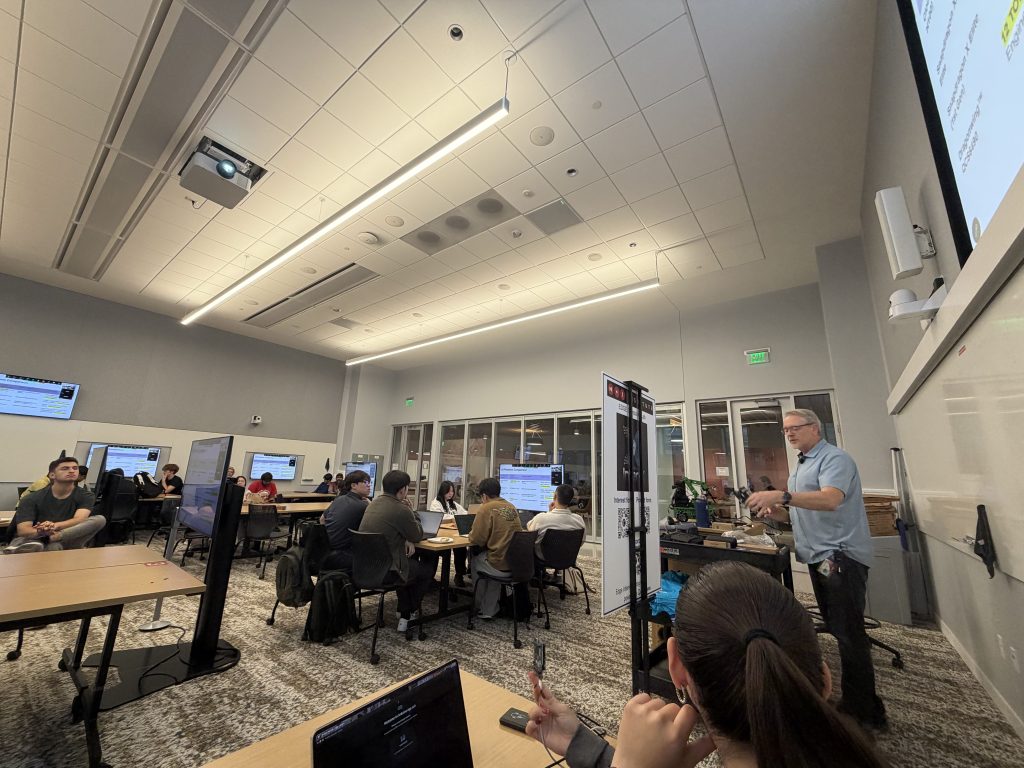
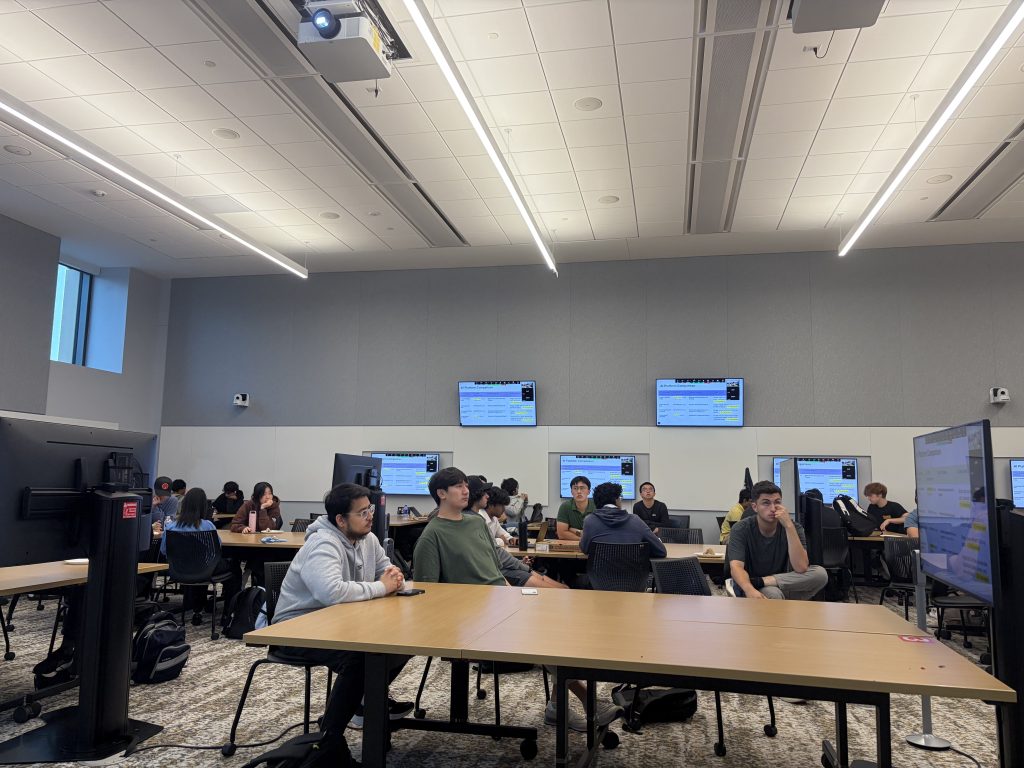
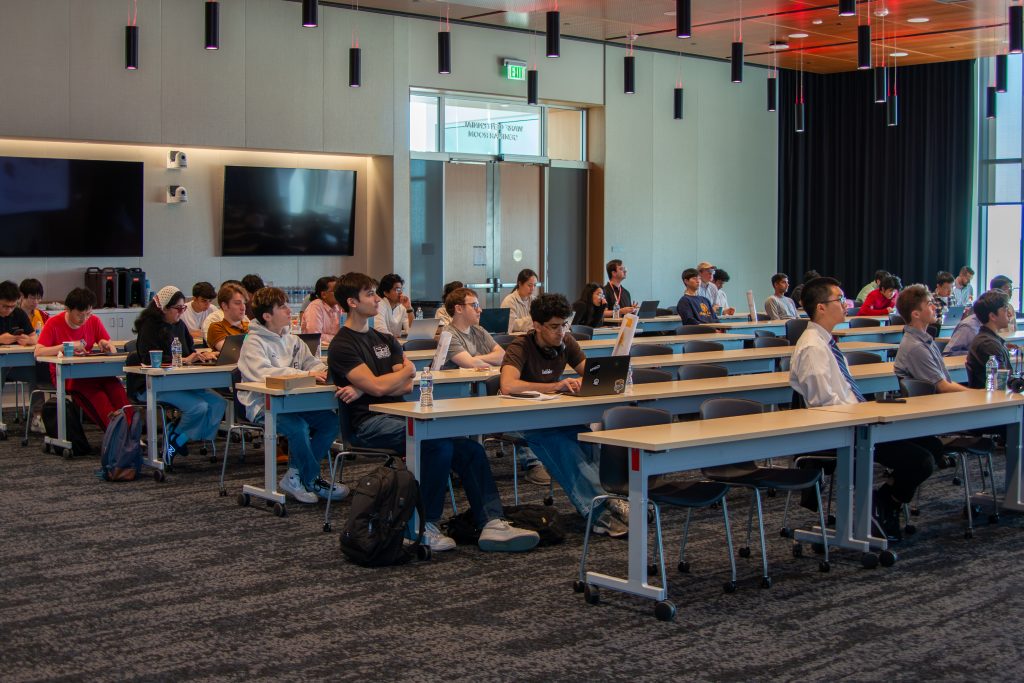
200+ students participated in Infer-X and explored hands-on edge AI, robotics, and emerging technologies.
38 EdgeAI projects were developed by students, spanning computer vision, AR/VR, NLP Rover Control, healthcare AR, EdgeAI enablement and model optimization, and more.
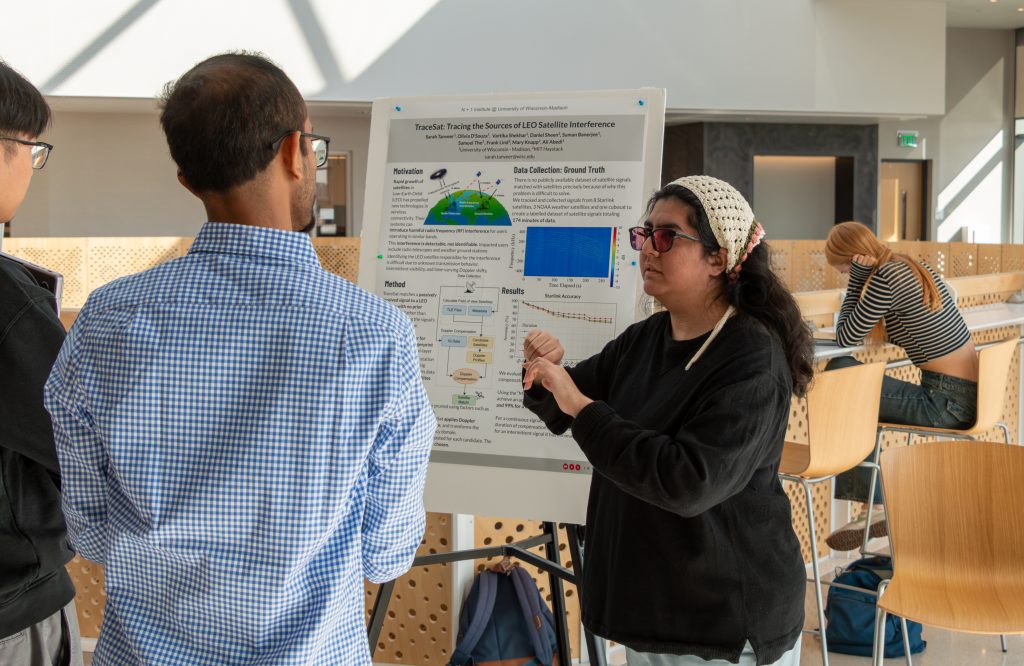
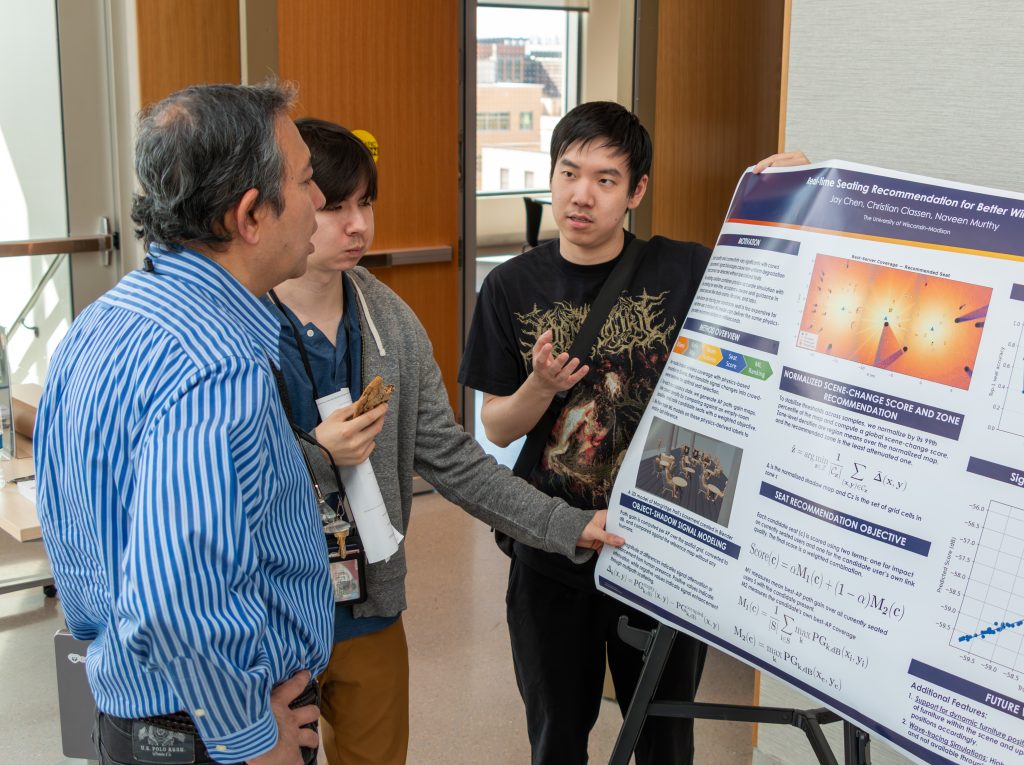
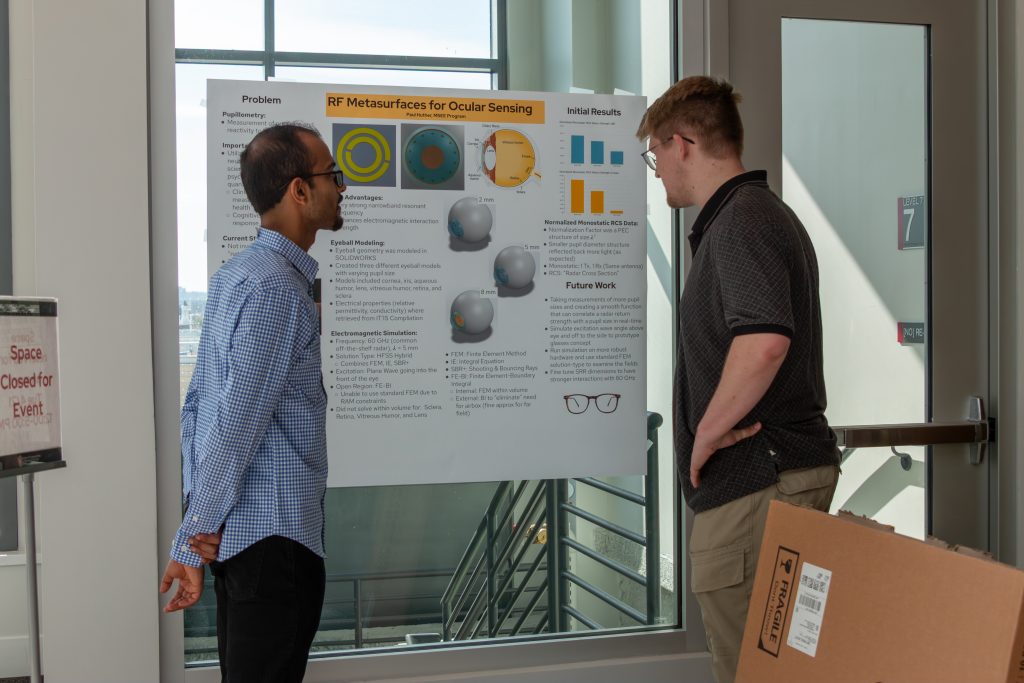
2 student projects were selected to present at the 2026 Qualcomm UR Symposium.
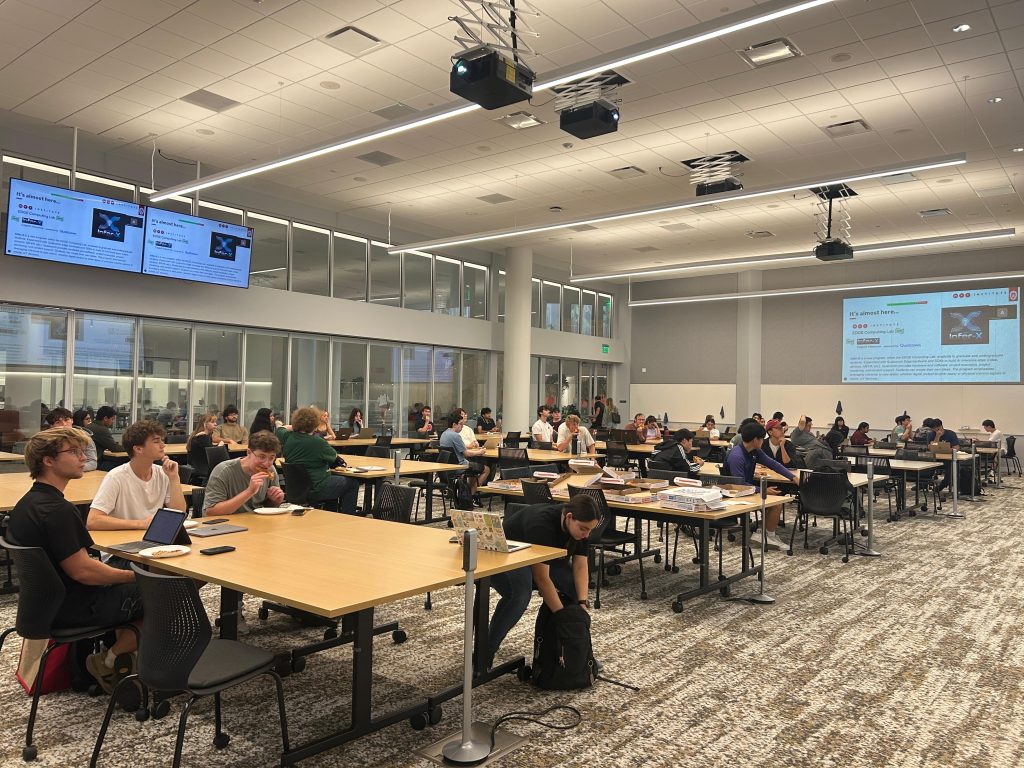
63 students competed in the Qualcomm Track at the MadData Hackathon.
New Edge Computing Lab launched, creating a dedicated space for students to experiment with edge AI hardware, software, and physical AI.
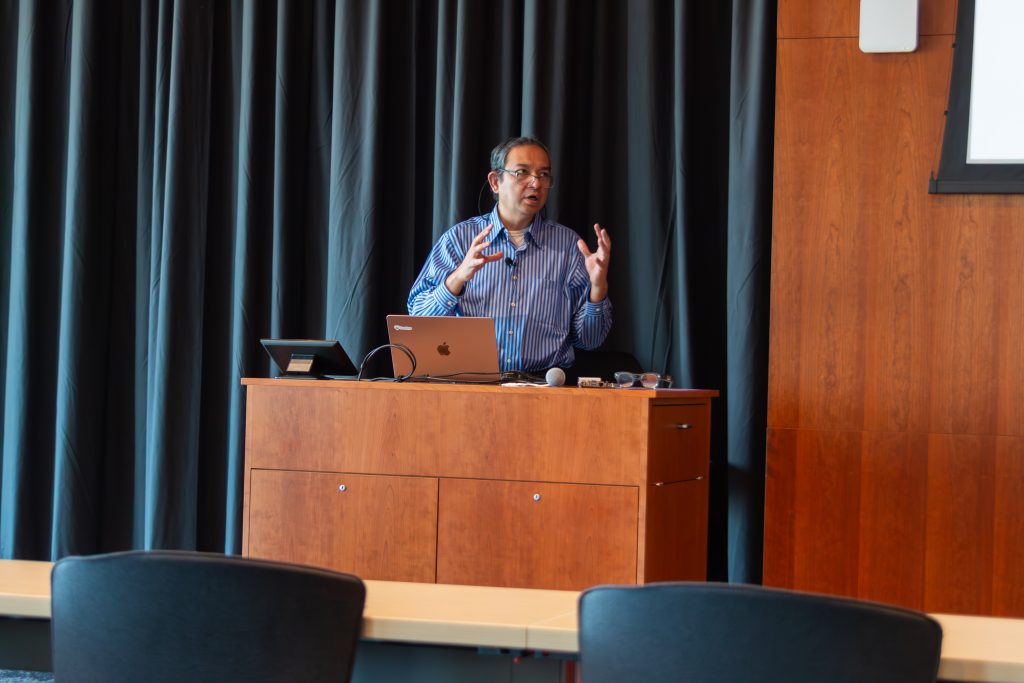
N+1 Symposium Keynote featured Samir Gupta from Qualcomm.


Join Infer-X
Interested in building with edge AI, robotics, and physical AI? Join the Infer-X community to connect with other students, collaborate on projects, and stay up to date with upcoming events, workshops, and opportunities.
Join the Infer-X Discord
Connect with the community, ask questions, collaborate with other students, and stay up to date with Infer-X activities.
https://discord.gg/NJrJj7wUn
Follow Us on Instagram
Follow the N+1 Institute for updates, events, projects, and opportunities.
https://www.instagram.com/nplus1institute?stkn=MWl3anVrNzZ0YXUwcA%3D%3D
Become an Active Member
Fill out the interest form to join the Infer-X mailing list and stay informed about upcoming projects, workshops, events, and opportunities. Completing the form is the first step toward becoming an active member of the lab.
https://forms.gle/2zQ5CtcezD9wA7pw7
Recent Research Publications
Online federated learning based object detection across autonomous vehicles in a virtual world
In the context of edge computing applications, the research "Online Federated Learning based Object Detection across Autonomous Vehicles in a Virtual World" explores a novel approach to improve the performance of object detection systems for self-driving cars.
Adaptive uplink data compression in spectrum crowdsensing systems
This research paper focuses on FlexSpec, a framework for adaptive uplink data compression in spectrum crowdsensing systems.
QfaR: Location-Guided Scanning of Visual Codes from Long Distances
This research paper presents QfaR, a novel system that enables mobile devices to scan visual codes (like QR codes) from significantly longer distances than traditional methods.
When Two Cameras Are a Crowd
This research paper explores the challenges and solutions related to multi-camera interference (MCI) in environments where multiple active 3D cameras operate simultaneously.
Cloud-LoRa: Enabling Cloud Radio Access LoRa Networks Using Reinforcement Learning Based Bandwidth-Adaptive Compression
This research paper introduces Cloud-LoRa, a novel approach to enhancing the performance of LoRa networks by leveraging cloud computing principles.
Sustainable Spectrum Crowdsensing
This research paper focuses on Sustainable Spectrum Crowdsensing, a paradigm that leverages the power of edge computing to measure spectrum usage in wireless networks using crowdsourced data from diverse sensors.
Hierarchical Federated Learning with Privacy
This research paper explores the challenges of privacy in traditional federated learning (FL) systems, where gradient updates are shared with a central server. These gradient updates can be exploited by adversaries to infer private information about the training data.
Exploring the Design Space of Optical See-through AR Head-Mounted Displays to Support First Responders in the Field
This research paper investigates the design space of optical see-through AR head-mounted displays (HMDs) specifically tailored for first responders in the field.